

Planning guide
Best Time to Visit Iran: It’s Not About the Season—It’s About the Experience
There is no single best time to visit Iran. The right season depends on the landscapes, places, and pace you want to experience.
Quick overview: best time to visit Iran at a glance
First-time cultural trip
Spring (March–May) / Autumn (September–November)
Nature & mountains
Spring / Summer (highlands)
Budget travel & fewer crowds
Winter / Low season
Desert & starry skies
Autumn / Winter
Persian Gulf islands
Winter
One of the first questions almost every traveler asks when planning a trip to Iran is:
“When is the best time to visit Iran?”
If we answered like most travel websites, we would probably say spring.
And while that isn’t wrong, it also isn’t the complete answer.
After years of designing personalized journeys for travelers from around the world, we’ve learned something important:
There is no single best time to visit Iran.
The reason is simple—Iran is unlike most destinations.
In many countries, changing the season means choosing a different destination. In Iran, however, just a few hours of travel can take you from snow-covered mountains to vast deserts, from misty ancient forests to sunny islands along the Persian Gulf.
That’s why, before asking yourself:
“When should I visit Iran?”
it’s worth asking a more important question:
“What kind of traveler am I, and what experience am I looking for?”
Once you know the answer, choosing the best time to visit Iran becomes surprisingly easy.
If It’s Your First Trip to Iran
If you’re planning your first visit, we usually recommend spring or autumn.
Not simply because the weather is pleasant, but because these seasons allow you to experience Iran’s most iconic cultural destinations at their very best.
Cities such as Isfahan, Shiraz, Yazd, Kashan, and Tehran are ideal for exploring on foot, wandering through traditional bazaars, visiting Persian gardens, admiring magnificent mosques, and discovering UNESCO World Heritage sites without the intense summer heat or winter cold.
If you have only one opportunity to visit Iran, these two seasons generally offer the most balanced and rewarding introduction to the country.
If Nature Is Your Greatest Inspiration
Iran’s landscapes transform dramatically throughout the year, and every season offers a completely different natural experience.
Spring brings blooming orchards, roaring waterfalls, colorful valleys, and the famous upside-down tulips of the Zagros Mountains.
Summer is the season of cool highlands, cloud-covered villages, nomadic migrations, and mountain adventures on peaks such as Mount Damavand and Mount Sabalan.
Autumn paints the ancient Hyrcanian forests in shades of gold, orange, and crimson, while saffron fields in Khorasan bloom with delicate purple flowers during harvest season.
Winter reveals another side of Iran entirely—peaceful deserts with crystal-clear night skies, world-class skiing in the Alborz Mountains, and warm, sunny islands such as Kish and Qeshm in the Persian Gulf.
For this reason, whenever travelers ask us about the best season for nature, we always begin with a different question:
What kind of landscape do you want to experience?
If You Prefer Peace Over Crowds
Not everyone travels for excitement.
Some travelers love lively streets, bustling bazaars, local festivals, and vibrant cafés filled with people.
Others travel to escape busy schedules, crowded cities, and everyday routines.
If you’re in the second group, traveling during the low season may offer a far more rewarding experience.
Historic attractions become quieter, photography is easier, hotel reservations are more flexible, and you often have more time and space to appreciate Iran’s extraordinary cultural heritage.
Sometimes the most memorable travel moments happen when you have a beautiful historic square almost entirely to yourself.
If You’re Looking for the Best Value
One of the recommendations we often give travelers is to remain flexible with travel dates.
Visiting Iran outside the busiest travel periods can significantly reduce accommodation costs, transportation expenses, and even the price of guided tours.
Lower prices don’t necessarily mean a lesser experience.
In many cases, you’ll enjoy the same destinations with fewer crowds, more personalized service, and a slower, more comfortable pace.
That’s why many experienced travelers consider the low season not a compromise, but one of the smartest ways to explore Iran.
If You’re Searching for Truly Unique Experiences
Sometimes the purpose of travel isn’t simply to visit famous landmarks.
It’s to create memories that stay with you for a lifetime.
If you’ve always wanted to witness the saffron harvest, autumn is the perfect season.
If you’d like to spend time with Iran’s nomadic communities and experience one of the world’s oldest living traditions, summer is ideal.
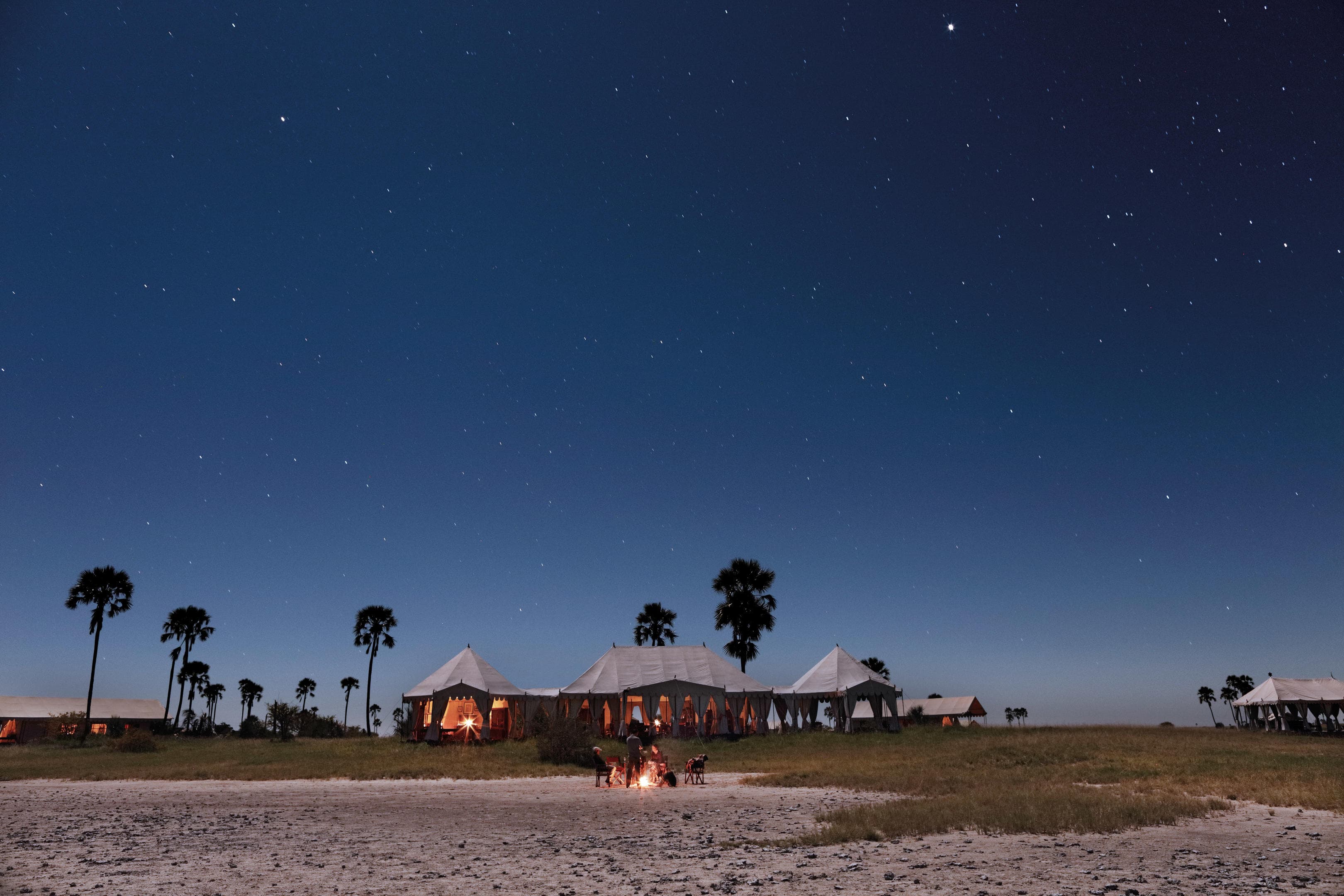
If your dream is to spend a peaceful evening in the desert, sip traditional charcoal-brewed tea beside a campfire, and gaze at one of the clearest night skies on Earth, winter offers the perfect conditions.
And if you’d like to ski in the morning and walk along the warm shores of the Persian Gulf later the same day, Iran is one of the few countries in the world where such a journey is entirely possible.
Iran Is a Destination That Changes With Every Season
One of Iran’s greatest strengths as a travel destination is its remarkable geographical diversity.
Every season reveals a different side of the country.
Rather than searching for the single “best season” to visit Iran, we encourage travelers to think about choosing the right itinerary for the time of year they plan to travel.
Sometimes, adjusting your itinerary by only a few destinations can completely transform your experience.
Instead of adapting your expectations to the season, you can adapt your itinerary to discover the very best of Iran whenever you choose to visit.
Our Advice
If you ask us when the best time to visit Iran is, we’ll probably ask you a few questions before giving you an answer.
Is this your first visit to Iran?
Are you more interested in nature or history?
Do you enjoy vibrant cities, or do you prefer peaceful landscapes?
Is your priority comfortable weather, unique experiences, or getting the best value for your budget?
The answers to these questions will tell us far more than any calendar ever could.
Because we believe the best journey isn’t simply one that takes place during the “best season.”
It’s the journey that is carefully designed around your interests, your travel style, your expectations, and your pace.
That’s exactly how we plan every itinerary.
We don’t believe in offering the same trip to every traveler.
We believe every journey through Iran should be as unique as the person taking it.
Weather snapshot by season
Spring
Mild temperatures, green landscapes, ideal for cities and culture
Summer
Hot in lowlands, perfect for mountains and highlands
Autumn
Cool and balanced, best overall photography conditions
Winter
Cold in north and mountains, warm in south and coastal areas
Questions about the best time to visit Iran
Is spring the best time to visit Iran?
Spring is one of the most popular seasons because of its balanced weather and ideal conditions for cultural sightseeing, but it depends on your travel style.
What is the cheapest time to visit Iran?
Winter and low seasons are generally more affordable, especially for accommodation and tours.
Is Iran too hot in summer?
Lowland cities can be very hot, but mountainous regions remain pleasant and are ideal for summer travel.
Can I visit Iran in winter?
Yes. Winter is excellent for deserts, skiing in the Alborz Mountains, and visiting southern islands.
What is the best month to visit Iran overall?
April, May, September, and October are usually considered the most balanced months for most travelers.
Choose the time that fits the journey you want.
Tell us what you want to experience, and we’ll help shape the itinerary around it.